Rosacea Explained: Symptoms, Triggers, and How to Manage It
Learn about rosacea symptoms, common triggers, and effective management strategies to help control flare-ups and maintain healthier-looking skin.
Rosacea is a chronic inflammatory skin condition that affects millions of people worldwide, yet it remains widely misunderstood. Characterized by facial redness and visible blood vessels, this condition can significantly impact quality of life and self-confidence. Understanding rosacea's symptoms, identifying personal triggers, and implementing proper management techniques are essential steps toward controlling flare-ups and achieving calmer, more comfortable skin.
What is Rosacea?
Rosacea is a long-term skin condition that primarily affects the face, causing persistent redness, visible blood vessels, and sometimes acne-like bumps. It typically develops after age 30 and is most common in people with fair skin, though it can affect all skin tones. While the exact cause remains unknown, researchers believe it involves a combination of genetic and environmental factors that affect the immune system and blood vessels in the face.
Common Symptoms of Rosacea
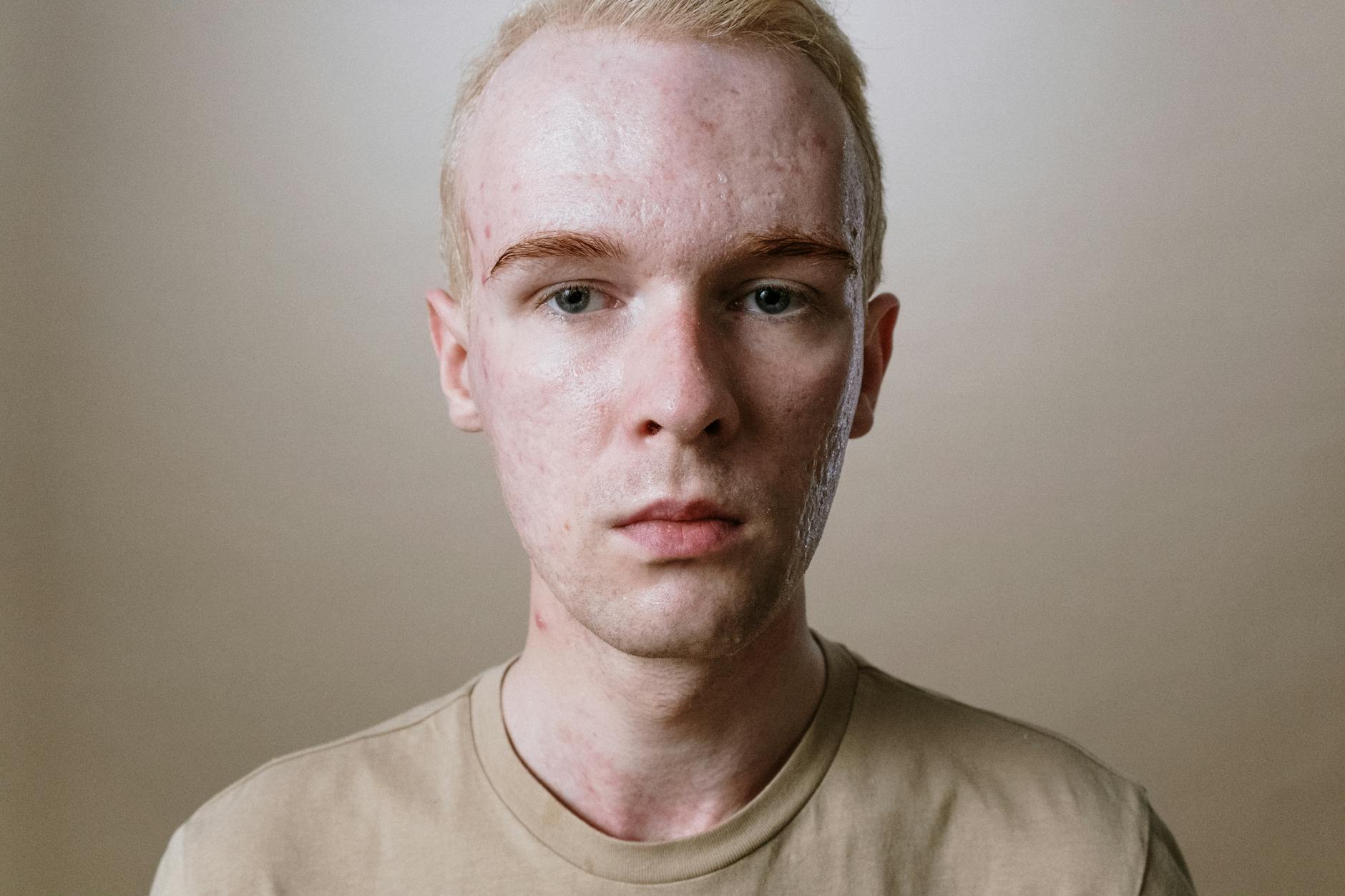
Rosacea symptoms vary from person to person but typically include facial flushing and persistent redness, particularly across the cheeks, nose, forehead, and chin. Visible blood vessels (telangiectasia) often appear on the face, while some people develop small, red, pus-filled bumps resembling acne. The skin may feel hot, tender, or swollen, and many experience a burning or stinging sensation. In some cases, rosacea affects the eyes, causing redness, dryness, and irritation. Less commonly, the skin may thicken, particularly around the nose, a condition known as rhinophyma.
The Four Subtypes of Rosacea
Dermatologists recognize four main subtypes of rosacea. Erythematotelangiectatic rosacea features persistent facial redness and visible blood vessels. Papulopustular rosacea presents with acne-like breakouts along with redness and swelling. Phymatous rosacea causes skin thickening and irregular surface texture, most commonly affecting the nose. Ocular rosacea impacts the eyes, causing irritation, dryness, and redness of the eyelids. Many people experience symptoms from multiple subtypes simultaneously.
Common Rosacea Triggers
Identifying and avoiding personal triggers is crucial for managing rosacea. Temperature extremes, including hot weather, cold wind, and hot baths or saunas, commonly provoke flare-ups. Sun exposure is one of the most frequently reported triggers. Certain foods and beverages, particularly spicy foods, hot drinks, alcohol, and histamine-rich foods, can cause facial flushing. Stress and intense emotions often worsen symptoms. Skincare products containing alcohol, fragrance, or harsh ingredients may irritate sensitive rosacea-prone skin. Strenuous exercise, certain medications, and hormonal changes can also trigger episodes.
Skincare Tips for Managing Rosacea
A gentle, consistent skincare routine is fundamental to managing rosacea. Use mild, fragrance-free cleansers and avoid scrubbing or using abrasive products. Apply a moisturizer formulated for sensitive skin twice daily to strengthen the skin barrier. Daily broad-spectrum sunscreen with SPF 30 or higher is essential, as sun exposure is a major trigger. Choose mineral sunscreens with zinc oxide or titanium dioxide, which are less likely to irritate. Apply products with clean hands using gentle patting motions rather than rubbing. Avoid products containing alcohol, witch hazel, menthol, peppermint, eucalyptus oil, and fragrance.
Lifestyle Modifications
Making strategic lifestyle changes can significantly reduce rosacea flare-ups. Keep a diary to track symptoms and identify personal triggers. Protect your face from extreme temperatures by wearing a scarf in cold weather and staying in air-conditioned environments during heat. Manage stress through meditation, yoga, deep breathing exercises, or other relaxation techniques. Modify your diet by limiting known trigger foods and beverages. Choose lukewarm water instead of hot when washing your face or showering. During exercise, work out in cool environments, take frequent breaks, and use a cool towel on your neck and face.
Medical Treatment Options
While there is no cure for rosacea, various medical treatments can effectively control symptoms. Topical medications like metronidazole, azelaic acid, and ivermectin reduce inflammation and redness. For moderate to severe cases, oral antibiotics such as doxycycline help control inflammation. Topical brimonidine or oxymetazoline can temporarily reduce redness by constricting blood vessels. Laser and light-based therapies effectively treat visible blood vessels and persistent redness. In severe cases of rhinophyma, surgical procedures may be necessary. Consult a dermatologist to develop a personalized treatment plan based on your specific symptoms and subtype.
When to See a Dermatologist
Schedule an appointment with a dermatologist if you experience persistent facial redness, visible blood vessels, or acne-like bumps that don't respond to over-the-counter treatments. Early diagnosis and treatment can prevent progression and improve outcomes. A dermatologist can accurately diagnose rosacea, identify your subtype, rule out other conditions, and create a comprehensive treatment plan tailored to your needs. Regular follow-ups help monitor progress and adjust treatments as necessary.
Final Thoughts
Living with rosacea requires patience, consistency, and a proactive approach to skincare and lifestyle management. By understanding your symptoms, identifying personal triggers, and working with a dermatologist to develop an effective treatment plan, you can successfully control flare-ups and maintain calmer, healthier-looking skin. Remember that rosacea is a manageable condition, and with the right strategies, you can minimize its impact on your daily life and confidence.