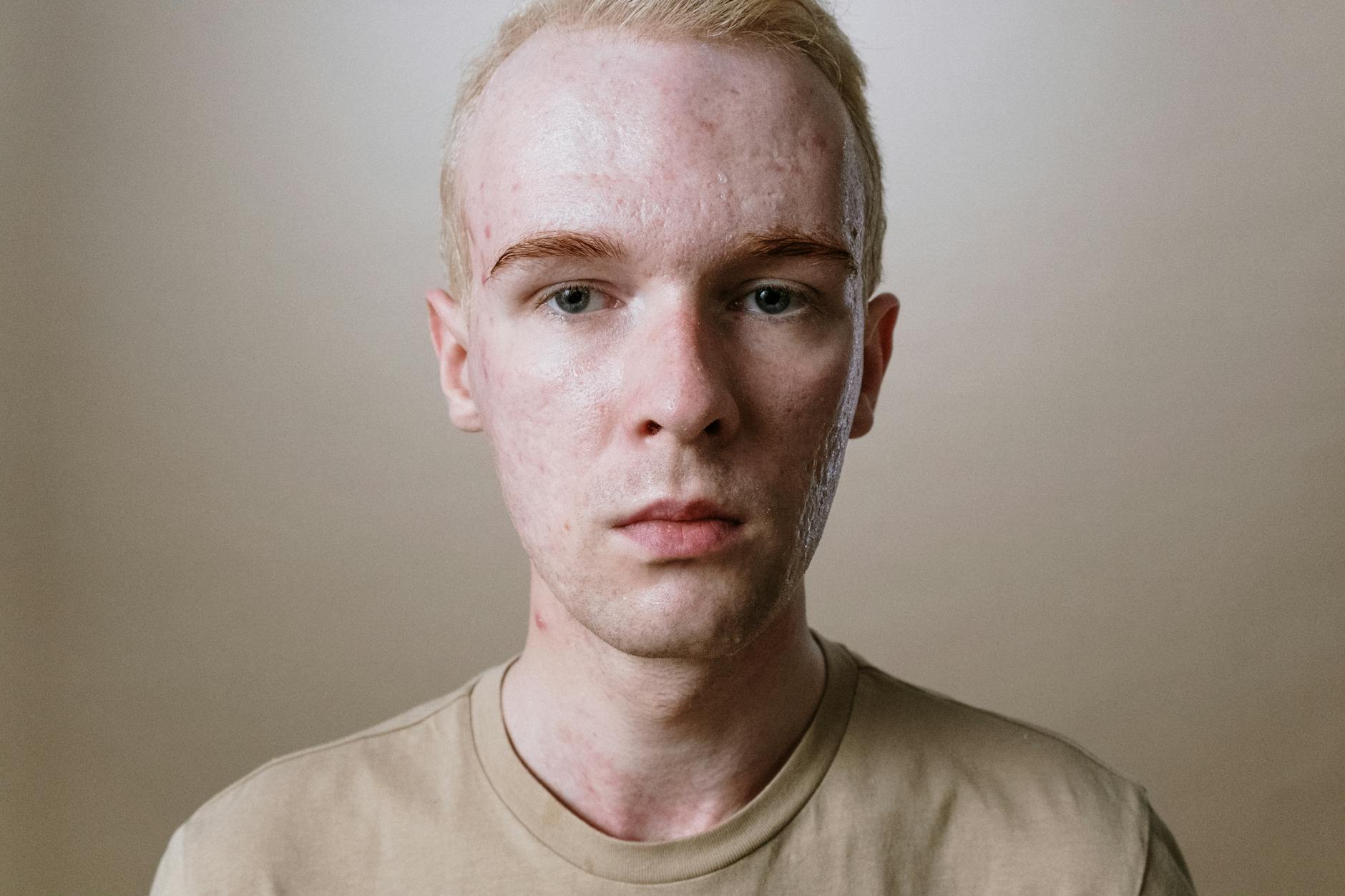
The Ultimate Guide to Acne: Causes, Types, and Effective Treatments
Discover everything you need to know about acne, including its root causes, different types, and the most effective treatment options for clearer, healthier skin.
Acne is one of the most common skin conditions affecting millions of people worldwide, regardless of age or skin type. While often associated with adolescence, acne can persist into adulthood and significantly impact self-confidence. Understanding what causes acne, recognizing its various forms, and knowing which treatments actually work are essential steps toward achieving clearer skin. This comprehensive guide breaks down the science behind acne and provides actionable solutions for managing and treating breakouts effectively.
What Causes Acne?
Acne develops when hair follicles become clogged with oil and dead skin cells. Several factors contribute to this process. Hormonal fluctuations, particularly androgens, increase sebum production, making teenage years and menstrual cycles common trigger times. Bacteria, specifically Cutibacterium acnes (formerly Propionibacterium acnes), multiply within clogged pores and cause inflammation. Genetics also play a significant role—if your parents had acne, you're more likely to experience it. Additional contributing factors include certain medications, diet (particularly high-glycemic foods and dairy), stress, and using comedogenic skincare or makeup products. Understanding your specific triggers is the first step toward effective management.
Types of Acne Explained
Acne manifests in various forms, each requiring different treatment approaches. Non-inflammatory acne includes blackheads (open comedones) and whiteheads (closed comedones), which occur when pores are clogged but not infected. Inflammatory acne is more severe and includes papules (small red bumps), pustules (pimples with white or yellow centers), nodules (large, painful lumps beneath the skin), and cysts (deep, pus-filled lesions). Nodular and cystic acne are the most severe forms and can lead to scarring if not properly treated. Identifying your acne type helps determine whether over-the-counter products will suffice or if you need prescription treatments from a dermatologist.
Over-the-Counter Treatment Options
For mild to moderate acne, several effective over-the-counter ingredients can make a significant difference. Benzoyl peroxide kills acne-causing bacteria and helps unclog pores, available in concentrations from 2.5% to 10%. Salicylic acid, a beta-hydroxy acid, exfoliates inside pores and reduces inflammation, making it ideal for blackheads and whiteheads. Retinoids like adapalene (Differin) promote cell turnover and prevent clogged pores. Niacinamide reduces inflammation and helps regulate oil production. Sulfur absorbs excess oil and has antimicrobial properties. When starting any new treatment, introduce products gradually to minimize irritation, and remember that most acne treatments require 6-8 weeks of consistent use before showing significant results.
Prescription Treatments for Moderate to Severe Acne
When over-the-counter options aren't sufficient, dermatologists can prescribe stronger treatments. Topical retinoids like tretinoin and tazarotene are highly effective for preventing clogged pores and reducing inflammation. Topical or oral antibiotics help control bacteria and reduce inflammation, though they're typically used short-term to prevent resistance. Hormonal treatments, including birth control pills and spironolactone, can be particularly effective for women with hormonal acne. For severe, cystic acne, isotretinoin (Accutane) is often the most effective option, though it requires careful monitoring due to potential side effects. Your dermatologist will create a personalized treatment plan based on your acne type, severity, and individual factors.
Building an Acne-Friendly Skincare Routine
An effective skincare routine is foundational to managing acne. Cleanse twice daily with a gentle, non-comedogenic cleanser—avoid harsh scrubbing, which can worsen inflammation. Apply acne treatments to clean, dry skin, starting with lower concentrations to build tolerance. Always moisturize, even with oily skin, choosing oil-free, non-comedogenic formulas to maintain your skin barrier. Daily broad-spectrum SPF 30+ sunscreen is essential, as many acne treatments increase sun sensitivity. Avoid touching your face, and never pick or pop pimples, which can lead to scarring and spread bacteria. Consider incorporating gentle exfoliation 1-2 times weekly, but don't over-exfoliate, as this can trigger more oil production.
Lifestyle Factors That Impact Acne
Beyond topical treatments, lifestyle modifications can significantly improve acne. Diet matters—consider reducing high-glycemic foods, dairy, and processed sugars, which may trigger breakouts in some people. Stay hydrated and eat a balanced diet rich in antioxidants, omega-3 fatty acids, and zinc. Manage stress through exercise, meditation, or other relaxation techniques, as stress hormones can worsen acne. Get adequate sleep, aiming for 7-9 hours nightly, to support skin repair and hormone regulation. Regularly clean items that touch your face, including pillowcases, phones, and makeup brushes. Remove makeup thoroughly before bed, and choose non-comedogenic cosmetics labeled 'oil-free' or 'won't clog pores.'
When to See a Dermatologist
While mild acne often responds to over-the-counter treatments, certain situations warrant professional help. Consult a dermatologist if your acne is moderate to severe, causing pain, or leaving scars. If over-the-counter products haven't improved your skin after 8-12 weeks of consistent use, it's time for expert guidance. Sudden adult-onset acne, especially in women, may indicate hormonal imbalances requiring medical evaluation. Dermatologists can also provide treatments for existing acne scars, including chemical peels, microneedling, laser therapy, and prescription topicals. Early intervention prevents scarring and helps you achieve clearer skin faster, so don't hesitate to seek professional support.
Final Thoughts
Acne is a complex condition with multiple contributing factors, but it's also highly treatable with the right approach. By understanding what causes your breakouts, identifying your acne type, and implementing appropriate treatments alongside a consistent skincare routine and healthy lifestyle habits, you can achieve significant improvement. Remember that clear skin is a journey, not an overnight transformation—patience and consistency are key. Whether you're managing occasional breakouts or dealing with persistent acne, the combination of evidence-based treatments and professional guidance when needed will help you achieve the healthy, confident skin you deserve.